If you are wondering whether Maryville feels more like a quiet suburb than a busy city, the short answer is yes. Many buyers want a place with more breathing room, practical daily convenience, and an easier pace without feeling far removed from shopping, parks, or nearby job centers. Maryville checks a lot of those boxes, and its numbers, layout, and amenities help explain why. Let’s take a closer look.
Maryville Has a Suburban Feel
Maryville reads as a small-to-midsize suburban city, not a dense urban market. The latest Census estimate puts the city at 32,373 residents across 17.3 square miles, which supports a more spread-out feel than you would expect in a tightly built city center.
A few local data points reinforce that suburban identity. Maryville has a 67.5% owner-occupied housing rate, a median owner-occupied home value of $358,100, a median household income of $81,963, and a mean commute time of 23.3 minutes. Together, those figures suggest an established, homeowner-driven community where daily life is often centered around the home, the car, and nearby neighborhood services.
Detached Homes Shape the Market
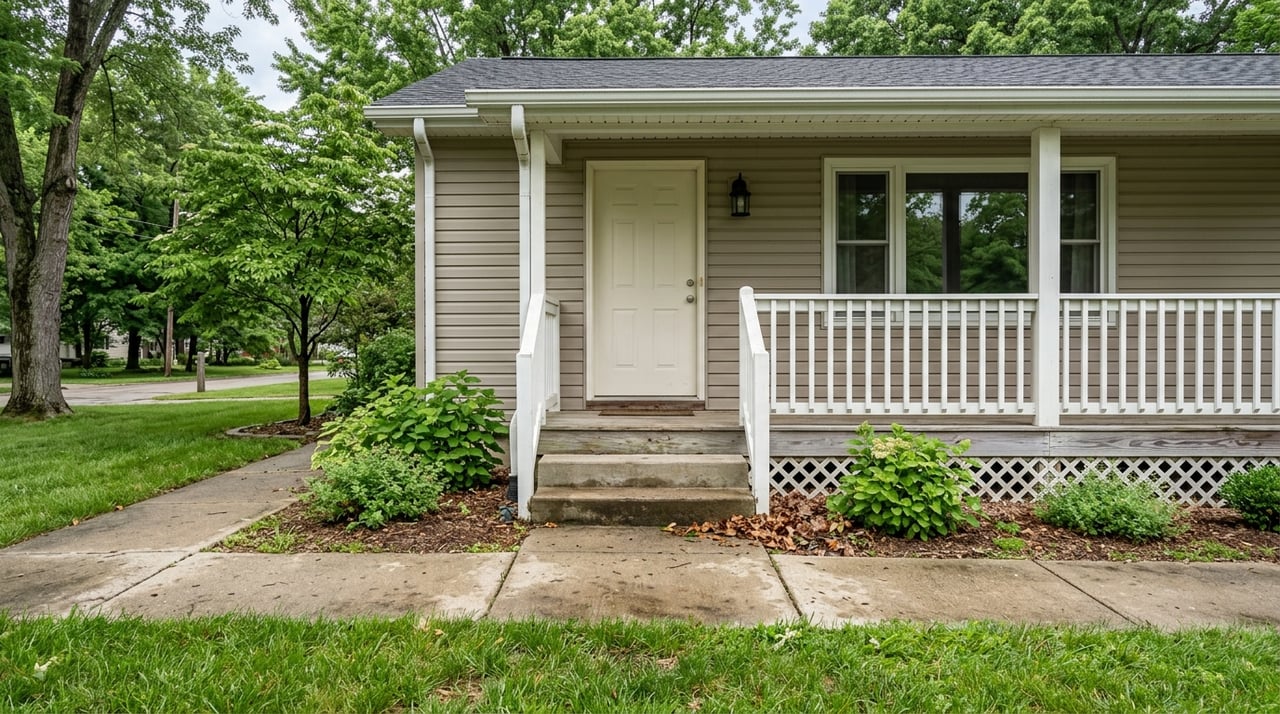
One of the clearest signs of suburban living in Maryville is the housing pattern. The city’s zoning code includes a Residential District for low-density residential use and a Single Family District specifically described as low-density single-family detached development.
For you as a buyer, that matters because zoning helps shape what everyday streetscapes look like. In Maryville, detached homes, private driveways, and visible yard space are part of the local norm rather than a rare find.
Lot Sizes Support More Space
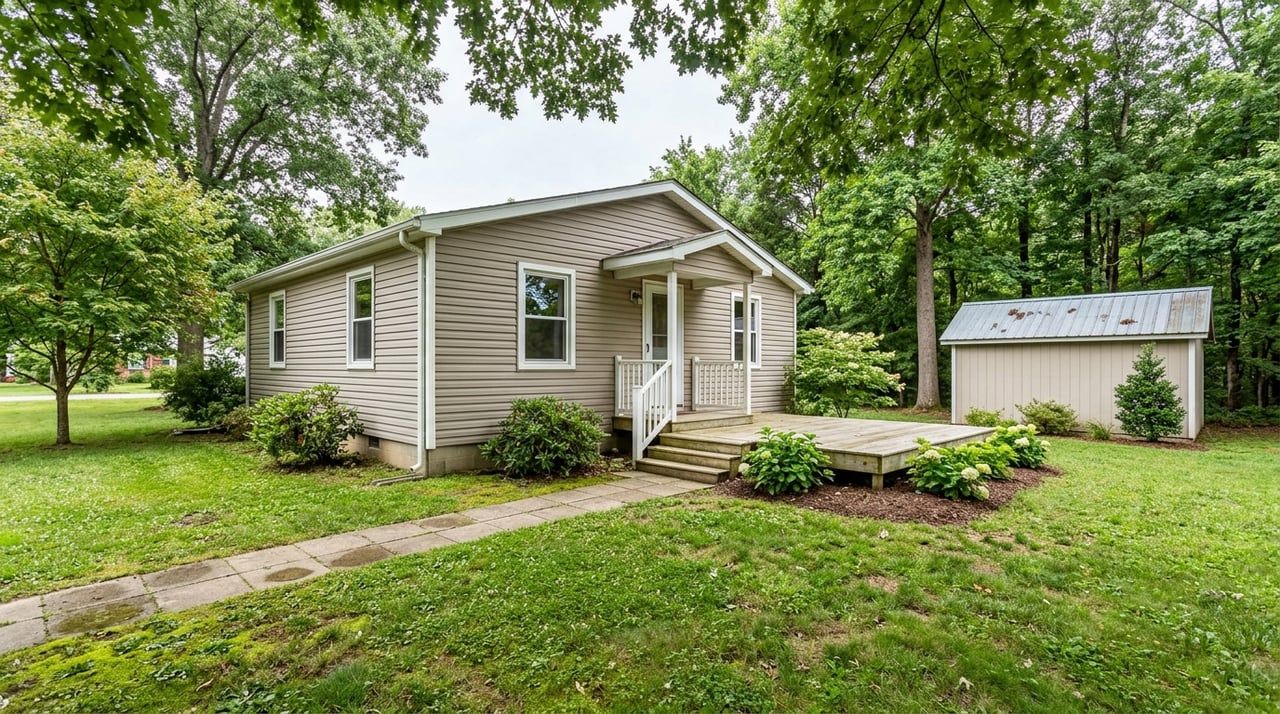
Maryville’s subdivision regulations also point to a more spacious residential layout. Minimum lot sizes are 7,000 square feet in Residential zones and 11,000 square feet in Single Family zones, while Estate lots start at 43,560 square feet.
In practical terms, that means many homes are set up with usable outdoor space. If you picture suburban living as having room for a backyard, a driveway, or a little more distance from neighboring homes, Maryville’s development pattern aligns well with that image.
Downtown Adds Everyday Convenience
Not every suburb has a distinct town center, but Maryville does. The city notes that downtown includes dozens of historic structures and supports a mix of entertainment, office, restaurant, retail, recreation, government, education, and housing uses.
That mix gives Maryville a little more texture than a purely residential suburb. You can enjoy quieter neighborhoods while still having a recognizable downtown that stays active throughout the day.
Shopping and Dining Stay Close to Home
Maryville’s retail pattern is practical and locally oriented. According to the city’s 2025 Downtown Master Plan, downtown retail is made up of 50% neighborhood services, 31% merchandise retail, and 19% restaurants.
That balance matters because it reflects how people actually use the area. Rather than relying on a major urban core for everyday needs, many residents can take care of errands, dining, and small shopping trips close to home.
Larger Retail Is Still Available
For bigger shopping trips, Maryville also has the Foothills Mall as a central retail option. Its mix includes stores, dining, movies, and events, giving residents another layer of convenience beyond downtown’s smaller-scale businesses.
This combination is classic suburban functionality. You get local shopping and services for day-to-day life, plus a larger retail hub when you need more options.
Parks Are Part of Daily Life
Suburban living is often about more than the house itself. It is also about what you can access nearby when you want to get outside, walk, or spend time in green space.
Maryville stands out here because the local park system is woven into everyday life. The Maryville-Alcoa-Blount County Parks & Recreation Commission operates facilities in and around Maryville that support recreation close to residential areas.
Neighborhood-Scale Outdoor Options
Pearson Springs Park covers 8 acres and connects to the Greenway. Eagleton Park includes 2 acres with a walking trail, playground, and basketball court. Maryville also has the PetSafe Dog Park, with separate areas for small and large dogs.
These are the kinds of amenities that make suburban living feel easy and usable. Instead of planning a big outing every time you want outdoor time, you have smaller, practical spaces that fit into normal routines.
Larger Green Space Strengthens the Appeal
Maryville also offers bigger natural areas within the city. Jarvis Park preserved 47 acres inside the city limits in a large residential area, and the Pistol Creek Wetland Center is maintained as an educational, self-guided nature area with native birds, plants, and animals.
That adds another layer to the local lifestyle. Maryville is not just houses and roads. It also includes trails, creek corridors, and preserved open space that help the city feel calmer and more connected to the outdoors.
Maryville Is Built Around Driving
Another key part of suburban life in Maryville is how people get around. Maryville is located about 15 miles south of Knoxville, which makes it appealing for people who want suburban surroundings with access to a larger nearby job center.
The city’s traffic and planning documents show how important road travel is to everyday movement. Major corridors like U.S. 321 / Lamar Alexander Parkway and U.S. 129 play a central role in local travel.
Commuting Is Road-Based
Maryville’s traffic operations group coordinates signals across Maryville and Alcoa and operates 73 traffic signals. That level of traffic management reflects a city where most movement happens by car and where corridor flow matters to daily routines.
This also lines up with the city’s 23.3-minute mean commute time. If you are considering Maryville, it is helpful to think of it as a road-oriented community where access and convenience are shaped more by highways and arterial roads than by a broad transit system.
What This Means for Buyers
If you are shopping for a home in Maryville, suburban living here often means a few clear things. You are likely to see more detached homes, more yard space, and more neighborhood-driven daily life than you would in a denser market.
You can also expect a balance between quiet residential areas and practical convenience. Parks, downtown services, retail corridors, and access to Knoxville all work together to make Maryville feel livable without feeling overly crowded.
For many buyers, that is the sweet spot. You get a quieter pace and a more residential setting, but you still stay connected to shopping, dining, recreation, and regional commuting routes.
Why Maryville Appeals to So Many Lifestyles
Part of Maryville’s appeal is that its suburban layout supports different needs without losing its core identity. Some buyers want yard space and detached housing. Others care most about park access, a manageable commute, or the ability to run errands locally.
Maryville brings those features together in a way that feels practical. Its homeowner-heavy housing base, active park system, established downtown, and road access to Knoxville all contribute to a suburban experience that feels steady and functional.
If you are trying to picture daily life here, think less about high-rise living and more about neighborhoods, driveways, local businesses, green space, and convenience built around the car. That is the heart of suburban living in Maryville.
If you are thinking about buying or selling in Maryville, working with a local team can make it easier to match your goals with the right neighborhood, home style, and pace of life. Mandi Tilley offers local guidance, personalized support, and a polished real estate experience built around Maryville and the surrounding area.
FAQs
What makes Maryville feel suburban?
- Maryville has a low-density housing pattern, a high owner-occupied rate, practical shopping areas, neighborhood parks, and a road-based commute structure that all support a suburban feel.
What types of homes are common in Maryville?
- Maryville’s zoning code supports low-density residential development, including single-family detached homes, which makes detached houses a common part of the local housing landscape.
How much outdoor space do homes in Maryville usually have?
- Lot sizes vary, but the city’s subdivision rules require minimum lots of 7,000 square feet in Residential zones and 11,000 square feet in Single Family zones, which supports usable yard space in many areas.
Does Maryville have parks and green space nearby?
- Yes. Maryville has neighborhood-scale parks like Pearson Springs Park and Eagleton Park, along with larger spaces such as Jarvis Park and the Pistol Creek Wetland Center.
Is Maryville convenient for commuting to Knoxville?
- Yes. Maryville is about 15 miles south of Knoxville, and local commuting is primarily car-oriented, with major routes like U.S. 321 and U.S. 129 playing a central role.
Does Maryville have shopping and dining close to neighborhoods?
- Yes. Downtown Maryville includes neighborhood services, retail, and restaurants, and the Foothills Mall provides an additional option for larger shopping, dining, and entertainment trips.