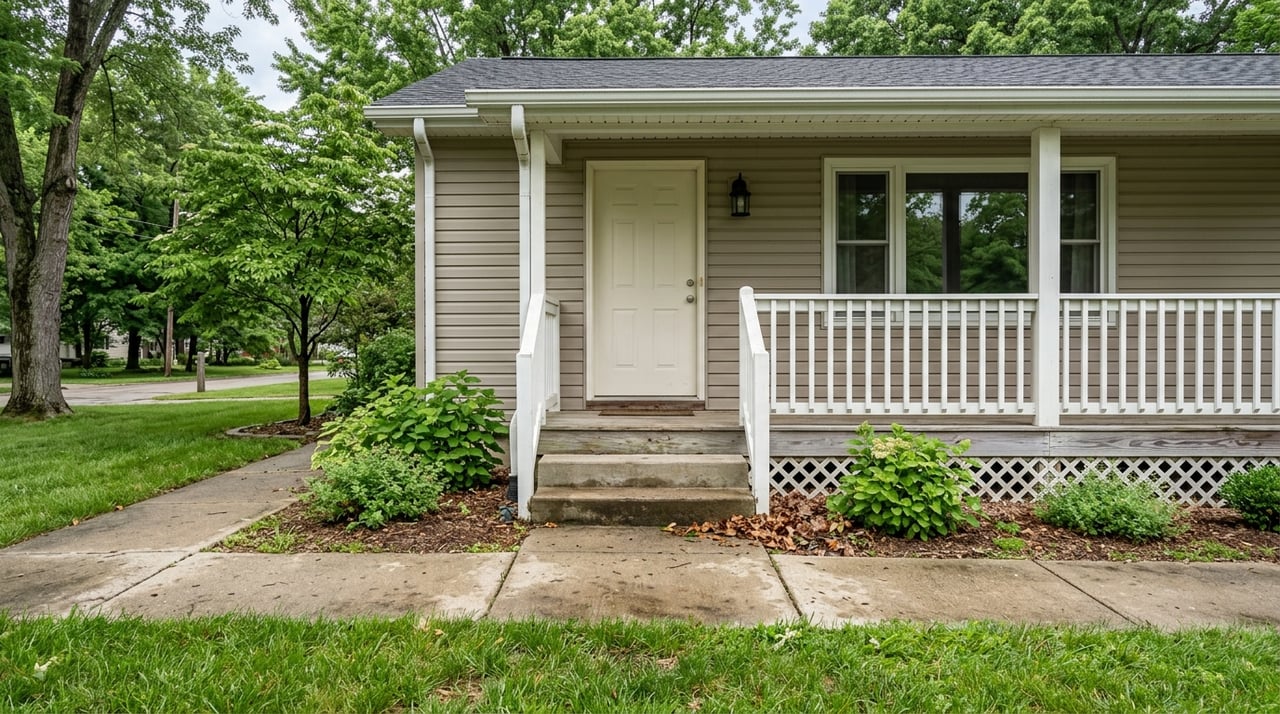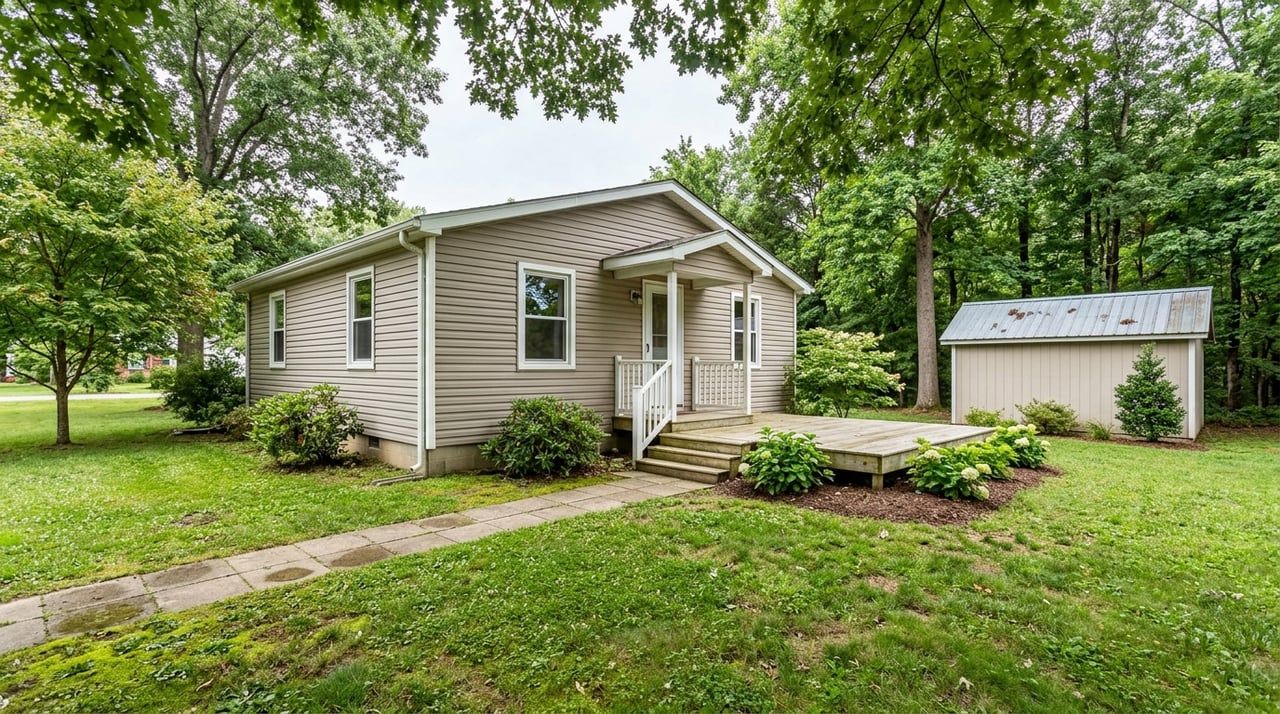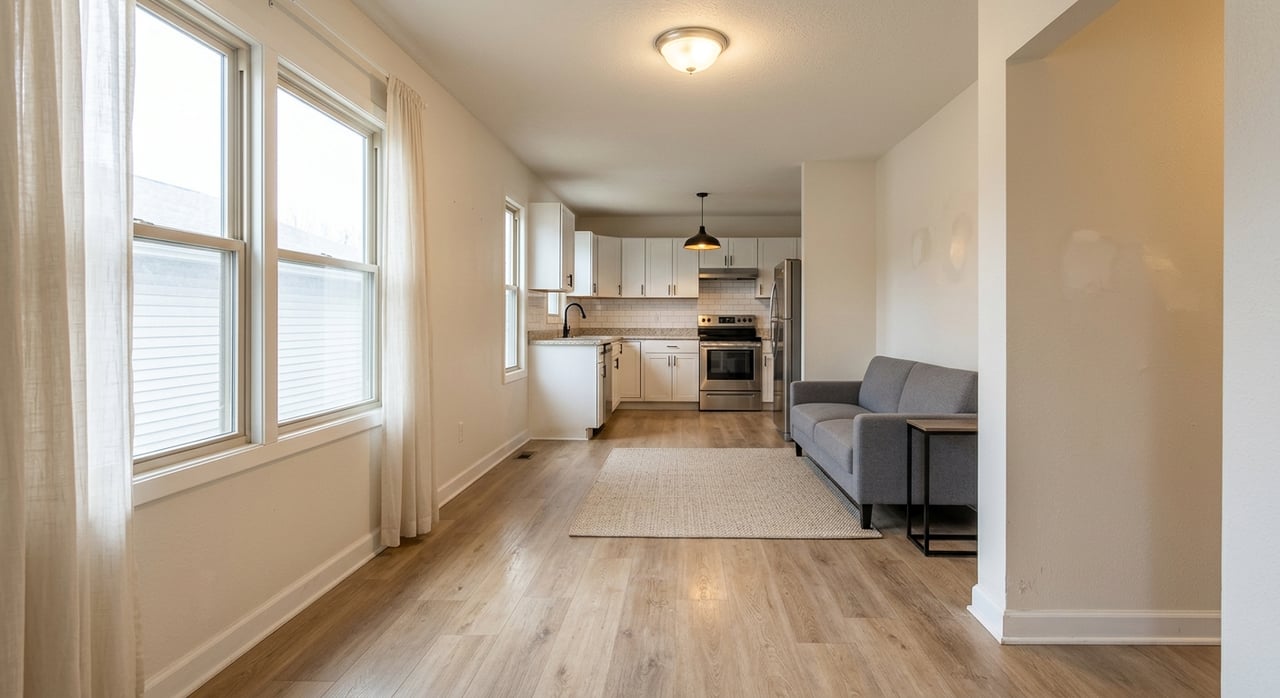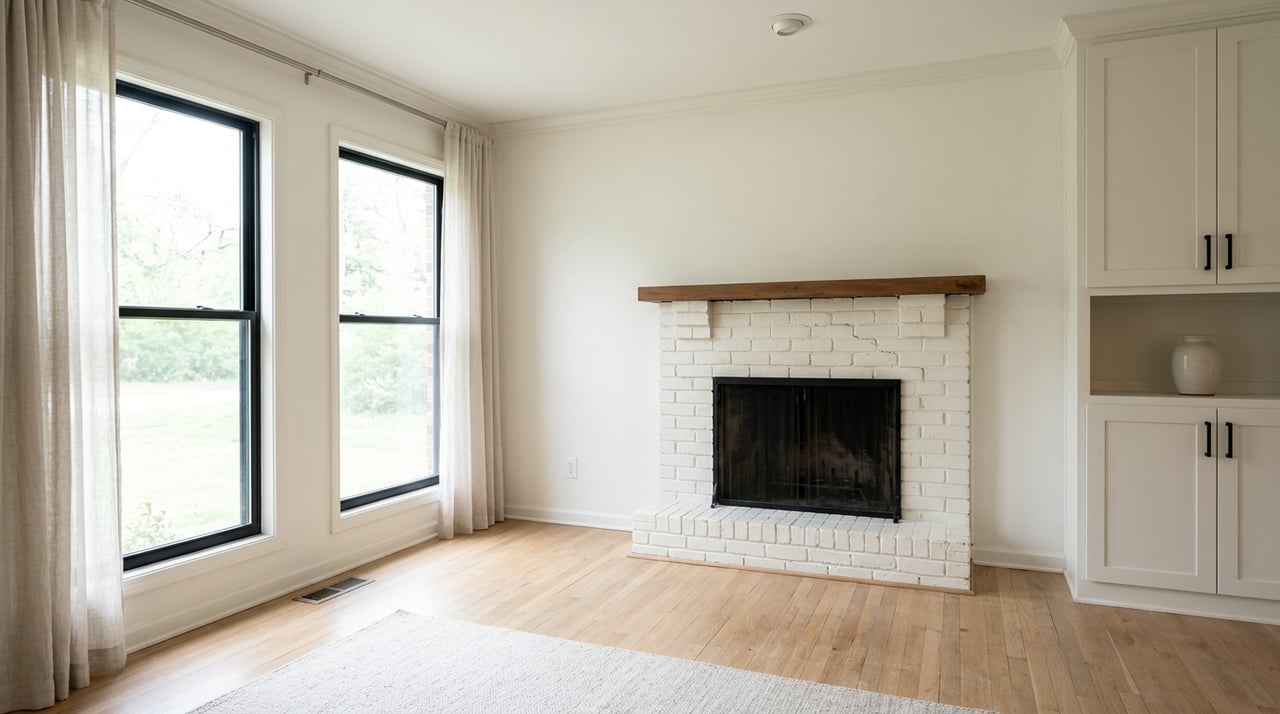
Trying to choose between an older home and a newer one in Maryville? You are not alone. This is one of the most common questions buyers ask because the right answer depends on how you want to live, what upkeep you are comfortable with, and how important things like layout, lot size, and efficiency are to you. The good news is that Maryville offers a mix of established housing and newer construction, so you have real options. Let’s dive in.
Why this choice matters in Maryville
Maryville gives you a housing market with both history and growth. The city’s 2025 Census estimate shows 32,442 residents, 12,901 housing units, and a 67.5% owner-occupied rate. In Blount County, there were 63,665 housing units in the 2025 estimate, a 77.0% owner-occupied rate, and 871 building permits issued in 2024.
That mix helps explain why buyers here often compare older and newer homes side by side. THDA data for Blount County shows 41% of housing units were built before 1980, and published counts show 2,349 units were built in 2014 or later. In other words, you are shopping in a market with a meaningful supply of both established homes and more recent construction.
Older vs. newer homes at a glance
Before you decide, it helps to think beyond age alone. In Maryville, “older versus newer” often really means comparing layout, lot size, maintenance needs, energy efficiency, and site setting.
| Factor | Older Maryville Homes | Newer Maryville Homes |
|---|---|---|
| Layout | May have more traditional room separation | More likely to reflect current preferences and newer design standards |
| Systems and upkeep | May need closer review for insulation, systems, and past updates | More likely to reflect newer construction standards |
| Energy efficiency | May have less insulation and benefit from upgrades | More likely to include improved efficiency features |
| Renovation questions | More important to confirm permits and, if built before 1978, lead-paint considerations | Fewer age-related renovation concerns, but due diligence still matters |
| Lot and site | Varies by parcel and zoning, not just age | Varies by parcel and zoning, not just age |
Floor plans and everyday living
One of the biggest lifestyle differences is layout. Some buyers want open, flexible spaces for cooking, dining, and gathering. Others prefer more defined rooms that create separation between living areas.
That is why older and newer homes appeal to different buyers for different reasons. A newer home may feel more aligned with current design trends, while an older home may offer a more traditional layout. Neither is automatically better. It comes down to how you want your home to function day to day.
Lot size is not just about age
A common assumption is that older homes always sit on larger lots and newer homes always come with smaller yards. In Maryville, that is not always true. Lot size depends heavily on zoning district and the specific parcel.
Maryville zoning allows a wide range of residential minimum lot sizes. The Residential district allows 7,000 square foot minimum lots with sewer, the Single Family district requires 11,000 square feet, the Neighborhood district requires 7,000 square feet, the Estate zone requires 1 acre, and the Central Community district allows residential use at 5,000 square feet per dwelling unit.
That means the smarter move is to verify the actual lot size instead of guessing based on the home’s age. If yard space, privacy, or room for outdoor use matters to you, parcel-level research is essential.
Neighborhood feel can vary block by block
Maryville’s land use plan shows a city that remains strongly residential. The plan says 61% of the city is zoned residential, and 55% of future land use is designated residential. It also notes that 78% of the city is in a primarily single-use zoning district.
For buyers, that means neighborhood character often comes from planning patterns as much as home age. Some established areas may feel settled because of how nearby uses are arranged. The city’s Neighborhood district is intended to minimize disruption of traffic flow and reduce negative impact on adjacent residential uses, which helps explain why some areas feel consistently residential even when limited nonresidential uses are nearby.
Newer homes and code standards
If you want a home that is more likely to reflect recent code requirements, newer construction can be appealing. Maryville’s codes office regulates occupancy, use, construction, and renovation of new and existing buildings. The city adopted updated 2024 International Building, Residential, Mechanical, Energy Conservation, Plumbing, Fire, and Property Maintenance Codes effective January 1, 2026.
In practical terms, newer homes are more likely to have been built closer to current standards. Older homes may still be excellent options, but they often depend more on the quality of later updates, repairs, and remodeling work. That is why it is so important to ask what has been improved and whether the work was properly permitted and inspected.
Older homes and maintenance planning
Older homes can offer charm, mature settings, and established surroundings, but they often ask more from you in terms of due diligence. One major area is energy performance. The Department of Energy says many older homes have less insulation than homes built today, and adding insulation can help reduce energy bills.
That does not mean every older home is inefficient. It means you should look carefully at insulation, windows, HVAC performance, and the overall condition of major systems. Some older homes have been thoughtfully upgraded, while others may need work after closing.
Lead-paint risk in pre-1978 homes
If you are considering a home built before 1978, there is an extra question to ask. The EPA says homes built before 1978 are more likely to contain lead-based paint, and renovation, repair, or painting projects can create lead dust if they are not handled with lead-safe work practices.
This does not mean you should avoid pre-1978 homes. It simply means you should go in informed. If a seller has renovated the home, it is wise to ask what work was done and how it was handled.
Site conditions matter as much as the house
When buyers compare older and newer homes, they sometimes focus only on the structure. In Maryville, the site itself can be just as important. The city’s land use plan identifies slopes and flood hazard areas as meaningful development constraints.
That is a good reminder to evaluate more than square footage and finishes. A home on a challenging site may come with considerations that affect drainage, usability, or future improvements. Whether the home is old or new, the lot deserves close attention.
A practical Maryville home comparison checklist
If you are deciding between an older and newer home in Maryville, these are the questions worth asking:
- What is the actual lot size?
- What zoning district is the property in?
- Were renovations or additions completed with permits and inspections?
- How old are the major systems and how well have they been maintained?
- Does the home appear to have insulation or efficiency upgrades?
- If the home was built before 1978, have lead-paint risks been addressed?
- Is the property affected by slope, drainage, or flood-sensitive conditions?
- Does the layout fit how you actually live?
This kind of comparison helps you focus on value, not just age. It also makes it easier to separate cosmetic appeal from long-term practicality.
Which type of Maryville home may fit you best?
A newer home may be a strong fit if you want a more current feel, potentially lower near-term maintenance, and construction that is more likely to align with recent standards. If you prefer a more move-in-ready experience and want fewer unknowns about systems or insulation, newer construction may be worth a closer look.
An older home may fit you better if you value established surroundings, are open to evaluating updates carefully, and do not mind a little more homework during the buying process. Some buyers are happy to trade newer finishes for a particular setting, layout, or parcel.
The real key is not picking the “best” age category. It is finding the home that best matches your priorities, budget, and comfort level with maintenance and future improvements.
If you want help comparing Maryville homes with a local lens, Mandi Tilley can help you sort through lot size, neighborhood setting, home condition, and long-term value so you can move forward with confidence.
FAQs
What is the biggest difference between older and newer Maryville homes?
- The biggest difference is usually a mix of layout, maintenance needs, energy efficiency, and update history rather than age alone.
Are older Maryville homes always on larger lots?
- No. In Maryville, lot size depends on the property’s zoning district and parcel, not simply when the home was built.
Are newer Maryville homes more energy efficient?
- They often are more likely to reflect newer standards, while older homes may have less insulation unless they have been upgraded.
What should you check before buying an older Maryville home?
- You should confirm permits for past work, review major systems and insulation, check site conditions, and ask about lead-paint risk if the home was built before 1978.
Does Maryville still have a lot of older housing stock?
- Yes. THDA data for Blount County shows 41% of housing units were built before 1980, which shows a meaningful supply of established homes in the area.
Is newer construction common in the Maryville area?
- Yes. Blount County had 871 building permits in 2024, and THDA’s published counts show 2,349 housing units built in 2014 or later.