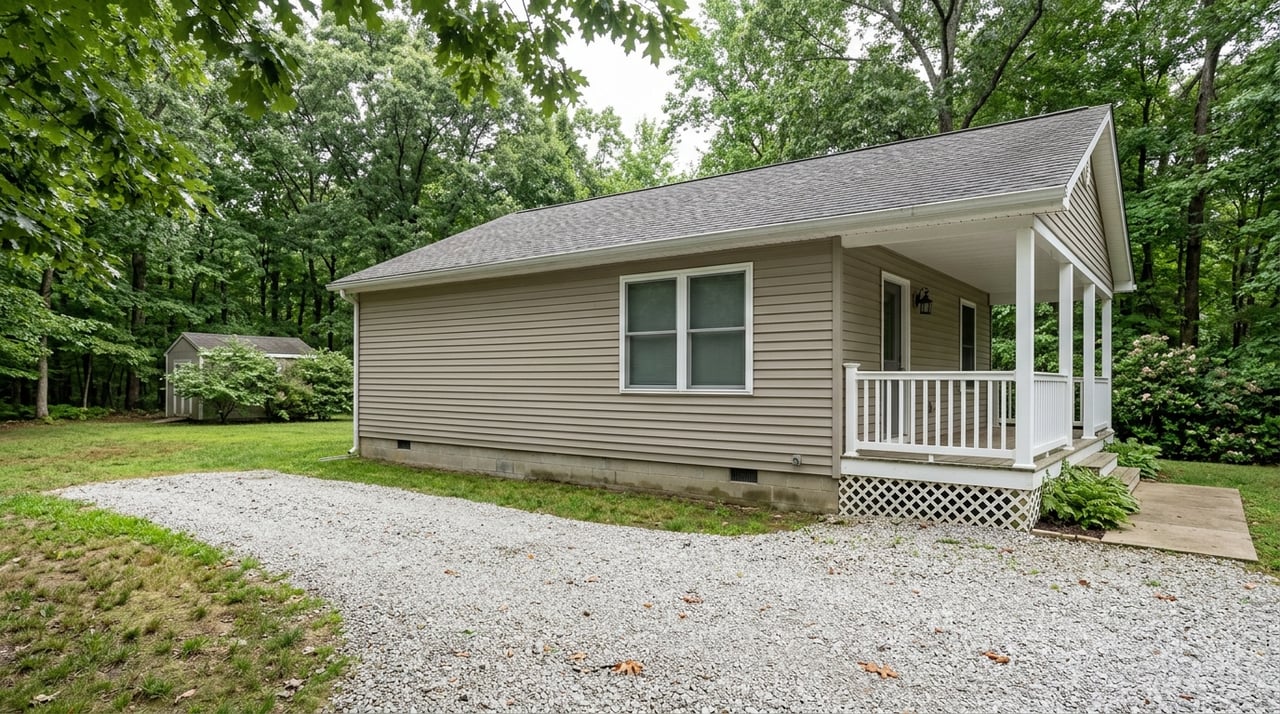
If you own a vacation or second home in Townsend, you already know the appeal is real. Buyers are not just shopping for bedrooms and bathrooms. They are looking for a mountain retreat, a flexible getaway, or a property tied to one of East Tennessee’s best-known destinations. When it comes time to sell, that can create real opportunity, but it also means you need the right plan. From timing and pricing to guest-ready preparation and remote coordination, here is what you should know before listing. Let’s dive in.
Understand the Townsend market
Selling a second home in Townsend is different from selling in a fast-moving suburban market. Recent data shows a slower pace and more room for negotiation, which means preparation matters.
Realtor.com’s 37882 market overview shows about 100 homes for sale, a median home price of $639,450, a 93% sale-to-list ratio, and 120 median days on market. In a separate snapshot, Redfin reported a $535K median sale price and 94 days on market for Townsend, while Zillow’s 37882 home value index was $386,289 as of February 2026. These figures measure different things, so they should not be compared as direct equivalents, but together they point to a market that is active yet not rushed.
For you, that means it is smart to plan for a selling window of several months instead of expecting an immediate sale. A well-presented property can still stand out, but realistic pricing and strong marketing are essential.
Mixed inventory affects competition
Another factor in Townsend is the type of inventory buyers see. According to Realtor.com’s Townsend overview, listings include houses, condos, land, and acreage.
That broad mix means your cabin or second home is not only competing with similar retreats. Buyers may also compare it to buildable lots, larger homes, or lower-maintenance options. Your listing has to clearly show why your property offers value, usability, and a strong lifestyle fit.
Use seasonality to your advantage
Townsend has a strong identity as a Smokies destination. Blount Tourism highlights Townsend as the Peaceful Side of the Smokies and one of the gateways to Cades Cove, with outdoor recreation, arts and culture, shopping, dining, and festivals all part of the area’s draw.
That destination appeal matters when you sell. You are not just marketing a structure. You are marketing access to a place people want to return to again and again.
Peak visitation can strengthen your listing story
The numbers behind regional tourism are impressive. The National Park Service reported that Great Smoky Mountains National Park had 11,527,939 visits in 2025, making it the most visited national park in the country that year.
NPS also reported that June through October were the busiest months in 2023, with more than 1 million visits each month. For sellers, that suggests spring through fall is often the easiest time to showcase the Townsend lifestyle, especially when scenery, outdoor access, and visitor energy are most visible.
Off-peak timing can still work
That does not mean you must list during peak travel season. If your property needs repairs, deep cleaning, updated photos, or time between bookings, an off-peak launch may give you more control.
The park is open year-round, but some roads, visitor facilities, and sites follow seasonal schedules and can also change due to weather or construction. If you own from out of town, building in extra flexibility can make the process much smoother.
Prep your second home like a hospitality property
A vacation or second home often lives differently than a primary residence. It may be furnished, used by multiple guests, or sit empty for stretches of time. That is why buyer-facing preparation should feel less like everyday tidying and more like resetting a hospitality property.
Before photos or showings, focus on creating a clean, neutral, welcoming environment. Buyers should be able to picture themselves enjoying the space without distractions.
Prioritize these pre-listing tasks
Use this checklist to get the property ready:
- Deep clean the entire home
- Remove personal items and excess décor
- Replace worn linens, towels, or basic supplies
- Tidy decks, porches, fire pit areas, and entry paths
- Make a quick repair list for small visible issues
- Confirm lighting, HVAC, plumbing, and locks are working properly
- Decide what furniture, appliances, or accessories will stay with the home
In a second-home setting, these details carry extra weight because wear can build up faster and buyers often notice presentation right away.
Plan around vacancy windows
If the property has been used as a getaway or rental, timing matters. Photography, showings, inspections, and repair work are usually easier to coordinate during planned vacancy windows than during back-to-back stays.
If you keep the home occupied right up to listing, it can be harder to maintain consistency. A clean, well-timed launch usually gives you a better first impression online and in person.
Decide how to handle bookings while selling
One of the biggest questions for second-home sellers is whether to keep accepting guest stays once the property goes on the market. The answer depends on your goals, schedule, and how much flexibility you need.
If maximizing showing access is your top priority, reducing bookings during the early listing period may help. The first days on market are important, and limited availability can make it harder for serious buyers to tour the home.
Balance income with access
If you do continue bookings, make sure you have a clear plan for turnovers and showing windows. Buyers should not walk into a space that feels mid-stay, cluttered, or inconsistently stocked.
You will also want a documented list of what stays with the property. In furnished or part-furnished second homes, that clarity helps avoid confusion later in the transaction.
Price with discipline, not emotion
It is easy to price a vacation property based on personal memories, unique features, or expected appeal. But in a market where homes may take three to four months to sell, pricing strategy matters just as much as presentation.
The current data suggests buyers in Townsend are still active, but they are not rushing. A 93% sale-to-list ratio from Realtor.com’s 37882 snapshot points to negotiation as a normal part of the process.
Why overpricing can slow you down
If a second home enters the market too high, it may sit while newer or better-positioned listings capture attention. In a destination market with mixed inventory, buyers often compare several property types before making a move.
A smart pricing approach should reflect local competition, current condition, and how your property compares to other available retreat-style options. The goal is to attract serious interest early, not test the market for months.
Market the lifestyle, not just the layout
In Townsend, buyers are often responding to a feeling as much as a floor plan. The home itself matters, but so does the experience tied to it.
That is why listing marketing should connect the property to the area’s broader appeal. Blount Tourism’s Townsend guide highlights outdoor adventure, history, mountain music, arts and culture, and family-friendly events. The National Park Service also reported that visitors to Great Smoky Mountains National Park spent more than $2 billion in nearby communities in 2024, generating more than $2.8 billion in cumulative local benefit.
What buyers want to understand
Your marketing should help buyers quickly grasp:
- How the home functions as a retreat or second residence
- What outdoor or gathering spaces add to the experience
- Whether the layout supports weekend stays or longer visits
- How the property connects to Townsend’s recreation and destination appeal
- What features make ownership easier for an out-of-town buyer
This is where polished visuals, strong description writing, and thoughtful positioning can make a real difference.
Prepare for a remote sale
Many second-home owners do not live in Townsend full time. If that sounds like you, local coordination becomes one of the most important parts of the selling process.
A remote sale often involves more moving pieces than a typical owner-occupied listing. You may need help with cleaners, repair vendors, utility checks, access for inspectors, and last-minute scheduling changes.
Build a local support plan
Before listing, it helps to identify:
- A local contact for lockbox access and property checks
- A cleaner or turnover team
- A handyman for small repairs
- A plan for lawn care or exterior upkeep
- A simple system for approving updates and invoices remotely
Because park access and facilities can change with weather or seasonal operations, flexible local support is especially valuable in this area.
Gather documents before you list
The smoother your prep work, the easier your sale can be. Even if your home is only used part of the year, buyers will still want a clear picture of what they are purchasing.
Before going live, organize any key information you may need to reference during the sale. This can help reduce delays once buyer questions start coming in.
Helpful items to organize early
Consider gathering:
- Utility information
- Service provider contacts
- Repair or maintenance records
- Appliance details
- A list of included furnishings or exclusions
- Gate, keypad, or access instructions if applicable
Having these details ready supports a more organized transaction and helps you respond faster from a distance.
Focus on communication from day one
When a second home is not your primary residence, small delays can turn into bigger issues. That is why consistent communication matters from the start.
You need a process that keeps you updated on showing feedback, repair needs, market response, and next steps without requiring you to be on site. In a market that may take time, steady communication helps you make better decisions with less stress.
Selling a vacation or second home in Townsend takes more than putting a property online and waiting. It calls for smart timing, careful preparation, strong presentation, and local coordination that fits the way these properties are actually used. If you want a polished, organized selling experience with local guidance at every step, Mandi Tilley can help you plan your next move with confidence.
FAQs
What is the average time to sell a second home in Townsend, TN?
- Recent market snapshots for ZIP code 37882 suggest many homes are taking roughly three to four months to sell, with reported median days on market ranging from 94 to 120 days.
When is the best time to list a vacation home in Townsend, TN?
- Spring through fall can be a strong window because Great Smoky Mountains National Park typically sees its heaviest visitation during warmer months, which can make the area’s lifestyle appeal easier to showcase.
Should you keep guest bookings during a Townsend vacation home sale?
- You can, but it may limit showing access and make it harder to maintain a consistent, buyer-ready presentation, especially during the first days on market.
How should you prepare a furnished second home in Townsend for sale?
- Start with deep cleaning, removing personal items, replacing worn linens or supplies, tidying outdoor spaces, handling small repairs, and deciding what furniture or accessories will stay with the home.
What help do remote sellers need for a second home sale in Townsend?
- Remote sellers often benefit from local support for cleaning, repairs, showing access, utility checks, exterior upkeep, and inspection or vendor coordination.
How should you market a Townsend cabin or retreat-style property?
- The best approach is to pair strong property presentation with lifestyle-focused marketing that highlights the home’s function as a getaway and its connection to Townsend’s outdoor recreation and Smokies destination appeal.