Dreaming of a quieter pace without giving up everyday convenience? Townsend, Tennessee offers a rare mix of mountain scenery, river access, and a small-town setting that feels intentionally calm. If you are exploring a move to Blount County or comparing East Tennessee communities, this guide will help you understand what peaceful mountain living in Townsend really looks like and what to keep in mind before you buy. Let’s dive in.
Why Townsend Feels Different
Townsend is a very small city in Blount County with an estimated 2024 population of 628 in just 2.0 square miles. That scale shapes daily life in a big way. Instead of a busy commercial feel, you get a compact mountain town where natural surroundings are part of the everyday experience.
The city leans into that identity. Townsend is known as the Peaceful Side of the Smokies, and local planning priorities focus on preserving rural character, protecting the Little River corridor, and balancing tourism with the needs of year-round residents. If you are looking for a place that feels slower-paced and less built-up, Townsend stands out for exactly that reason.
Townsend Location and Access
Townsend offers a scenic setting, but it is not cut off from the rest of East Tennessee. The area connects to the Knoxville and Maryville corridor by way of US-129 and US-321/TN-73, making it possible to enjoy mountain living while staying linked to nearby services, shopping, and employment centers.
For longer-distance travel, McGhee Tyson Airport in Alcoa is the nearest major airport. That can be helpful if you are relocating from out of state, travel often for work, or want easier access for visiting family and friends.
Life Near the Smokies
One of Townsend’s biggest advantages is its direct relationship to Great Smoky Mountains National Park. The Townsend entrance gives you access to nearby park drives and trailheads, and the city is one of the three main gateways to Cades Cove. For many buyers, that kind of access is not just a perk. It is part of the reason Townsend makes the shortlist.
The park itself covers 522,427 acres and remains the most visited national park in the United States. There is no entrance fee, though parking tags are required for vehicles parked more than 15 minutes. If you picture early morning drives, scenic overlooks, and quick access to hiking areas, Townsend supports that lifestyle in a very real way.
The Foothills Parkway extension adds even more scenic value. The city notes that it offers a view of Townsend from above, which reinforces how much the area’s mountain-and-cove setting shapes the overall feel of the community.
Outdoor Living in Townsend
In Townsend, outdoor living is not reserved for weekends. The Little River runs through town and plays a major role in both recreation and scenery. Local tourism information highlights trout fishing, tubing, and other water activities, giving the town a lifestyle that feels active without feeling rushed.
The Townsend River Walk & Arboretum adds another layer to daily life. Located at the foothills of the national park along the Little River, it provides accessible nature views and trail space in a setting that reflects the area’s connection to the landscape. If you want a community where stepping outside actually feels restorative, Townsend has a lot to offer.
Dining, Shopping, and Daily Basics
A peaceful town does not have to mean giving up local options. Townsend has a surprisingly broad dining mix for its size, including Appalachian-style dining, casual restaurants, coffee shops, a pub and deli, and familiar quick-service stops. That gives you a practical mix of everyday convenience and local flavor.
Shopping in Townsend also reflects the town’s personality. Local guides highlight handmade crafts, sweet treats, destination-style retail, and businesses like Townsend Mercantile and Apple Valley Mountain Village, which combine shopping with food and casual gathering spaces.
The broader business base is worth noting too. City and tourism listings show services that include lodging, campgrounds, outfitters, a grocery and deli, a museum, coffee shops, and cabin rentals. For full-time residents, that means Townsend supports more day-to-day activity than its population count might suggest.
Community Life and Local Culture
Townsend’s appeal goes beyond scenery. The Great Smoky Mountains Heritage Center brings together a museum, historic village, amphitheater, and heirloom gardens, adding a strong local cultural anchor to the area. That kind of resource can make a small town feel more connected and layered.
Community events also help define the local experience. One example is the Great Smoky Mountains Hot Air Balloon Festival, which supports local initiatives including the volunteer fire department and Townsend Elementary School. For buyers who value a town with visible community participation, those events matter.
What Homes in Townsend Often Look Like
Townsend’s housing story is different from a typical suburban market. The city’s zoning ordinance includes both low-density and high-density residential districts, and it permits single-family residences in low-density districts. In R-1, two-family residences and tourist residences may also be allowed with an annual permit, while some business districts permit dwellings but exclude mobile homes.
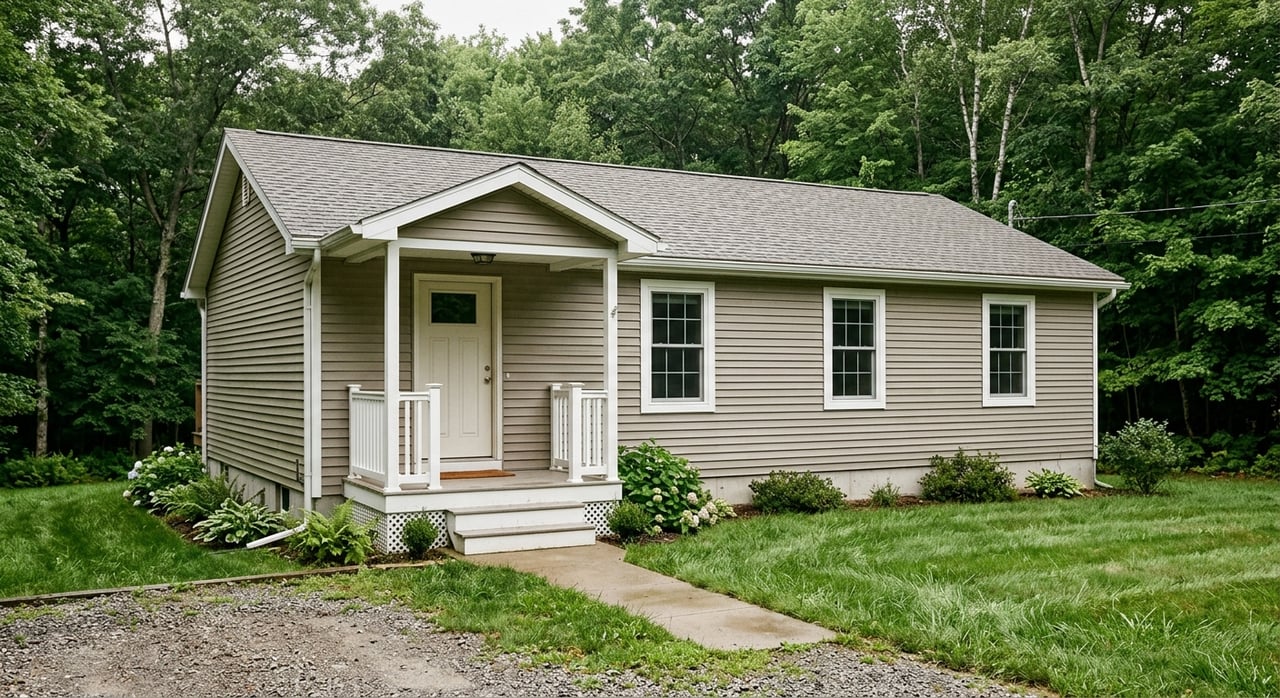
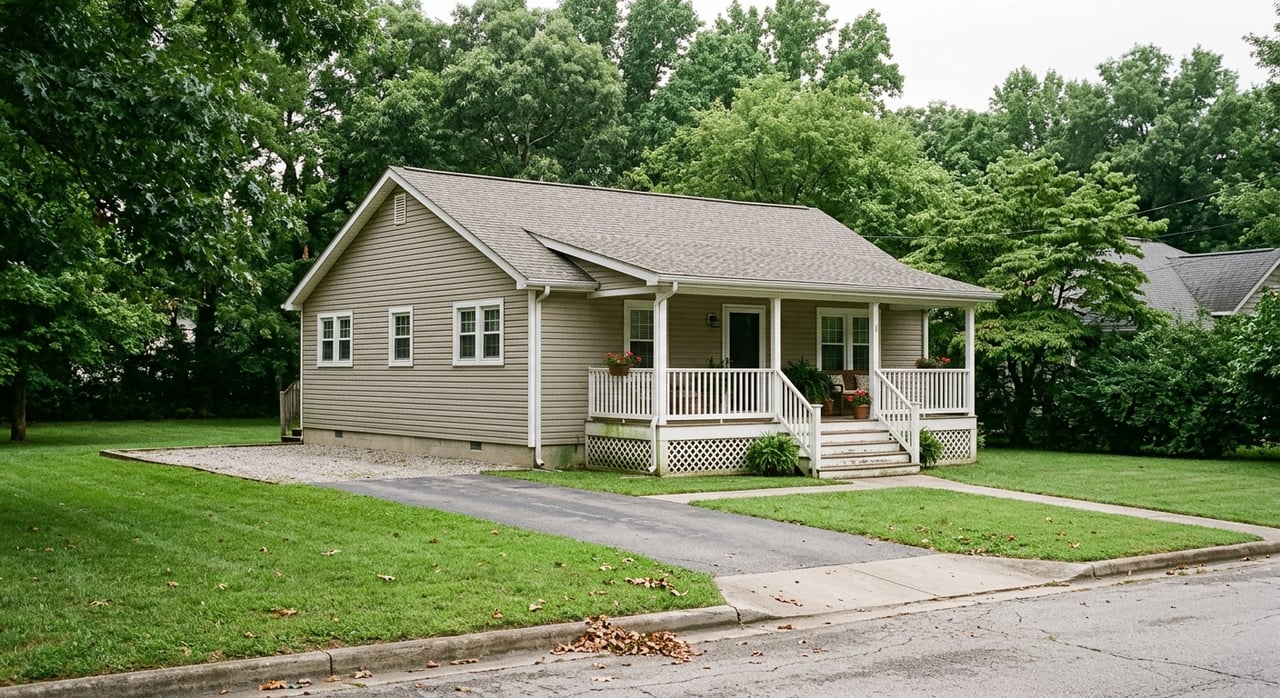
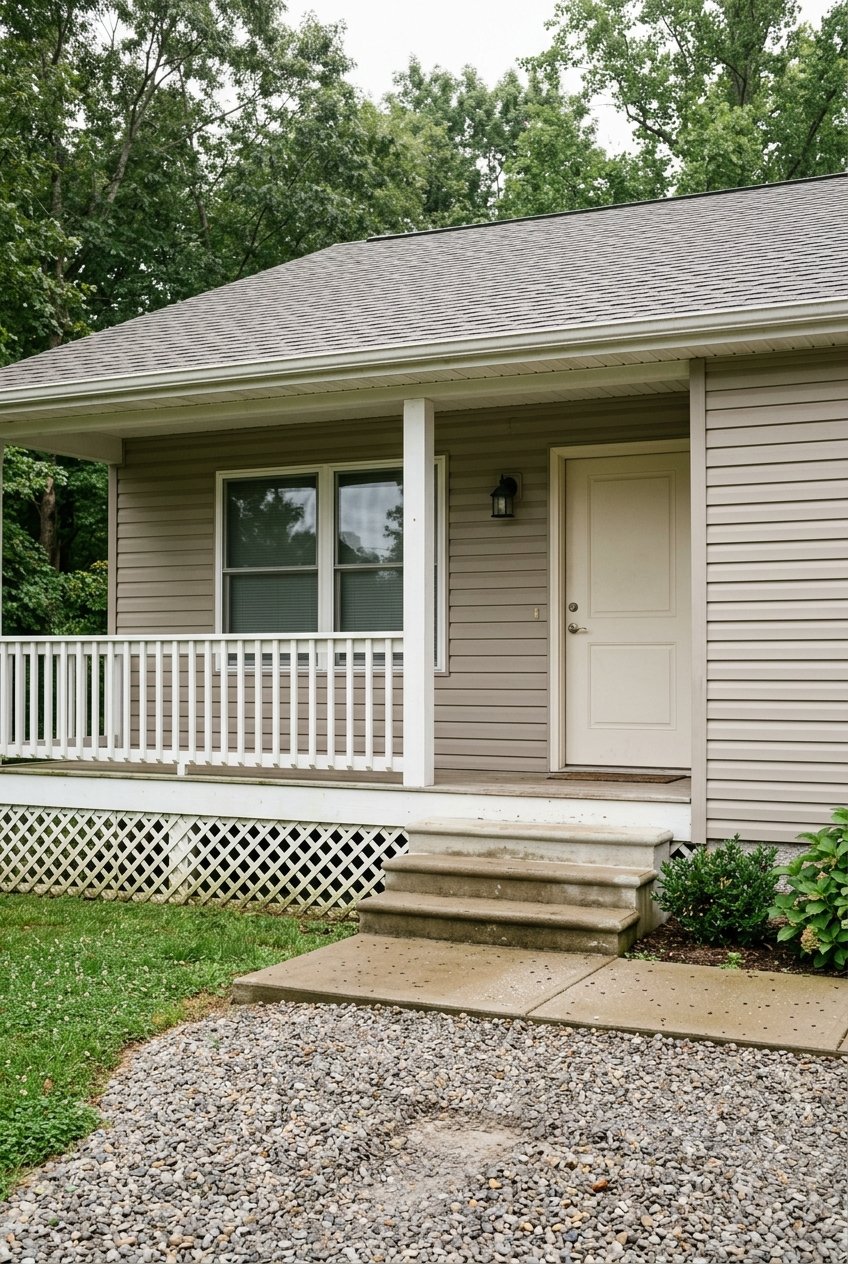
In practical terms, that helps explain why Townsend often feels like a mix of cabins, single-family homes, and acreage instead of large, uniform subdivisions. If you are shopping here, you may see homes with more natural buffers, smaller pockets of development, and property types that vary quite a bit from one area to the next.
Current search patterns for Townsend commonly include single-family homes, cabins, and land or lots. That variety can be appealing if you want flexibility in setting, lot size, or long-term plans. It also means each property deserves a closer look, especially when use, layout, and access matter as much as square footage.
What Buyers Should Know About Pricing
Townsend is a compact market, and price snapshots can vary depending on the source and the data method. Recent reported figures include an average home value of $405,246, a median listing price of $429,900, and a median sale price of $535K. Those numbers are not direct equivalents, but together they point to a market with a meaningful spread.
That spread often reflects the kind of homes available in Townsend. Properties closer to scenic views, park access, acreage, or cabin-style appeal may sit in a different price range than more straightforward residential options. In a small market, inventory mix can have a big impact on what the numbers look like from month to month.
For buyers, the key is to stay focused on property-specific value. In Townsend, location within the community, lot characteristics, permitted use, and overall setting can matter just as much as the home itself.
Why Property Use Matters Here
Townsend treats housing use and tourism use as distinct planning issues. The city has a dedicated short-term rentals section, and the zoning ordinance treats tourist residences separately. That is an important point if you are considering a property for personal use, part-time occupancy, or potential rental income.
You do not want to assume that every cabin or mountain home can be used the same way. Before making an offer, it is smart to verify how the property is zoned, what uses are permitted, and whether any annual permit requirements apply. In a market like Townsend, those details can shape both your day-to-day plans and the long-term value of the purchase.
Is Townsend Right for You?
Townsend may be a great fit if you want a small mountain town with a slower pace, strong access to the Smokies, and a setting built around the river and the landscape. It can also appeal to buyers who prefer a more residential and nature-oriented environment instead of a busy entertainment corridor.
At the same time, Townsend is best for buyers who understand what makes a small market unique. Inventory can be limited, property types can vary widely, and zoning details matter. If you value thoughtful guidance and local insight, having the right real estate team in your corner can make the process much clearer.
Whether you are searching for a full-time home, a cabin-style retreat, or land to build on, Townsend rewards a careful, local approach. If you are thinking about making a move in Townsend or anywhere in Blount County, Mandi Tilley can help you evaluate your options with clear guidance and a polished, high-touch experience.
FAQs
What is Townsend, TN known for?
- Townsend is known for its peaceful mountain setting, its location along the Little River, and its access to Great Smoky Mountains National Park and Cades Cove.
What is it like living in Townsend, Tennessee?
- Living in Townsend typically means a slower-paced, small-town environment with mountain views, outdoor recreation, and a more residential, nature-oriented feel than a heavily commercial area.
How big is Townsend, TN?
- Townsend is a very small city in Blount County with an estimated 2024 population of 628 and a land area of 2.0 square miles.
Are there different types of homes in Townsend, TN?
- Yes. Townsend commonly includes single-family homes, cabins, and land or lots, which creates more variety than a typical subdivision-driven market.
Can you use any Townsend property as a short-term rental?
- No. Because the city treats tourist residences and short-term rental use separately, buyers should verify zoning, permitted use, and any permit requirements before purchasing.
Is Townsend close to Great Smoky Mountains National Park?
- Yes. Townsend has a park entrance with direct access to nearby drives and trailheads, and it is one of the main gateways to Cades Cove.